Back
Back All articles

The transportation sector globally contributes over seven billion metric tons of CO₂ annually. Currently, we are facing some business challenges due to the continued effects of the COVID-19 pandemic, which led us to look at business from a different perspective. This also meant that we fully went remote and only took the approach that only required the bare minimum number of people in the office to commute to work, which basically were reduced since we were all working virtually. Climate change is an emerging issue, forcing many strategies in all fields throughout the process since our economies are pegged on industrialization; hence, many greenhouse gases are released to the atmosphere.
At LOOKA, we have decided to join the efforts towards combating climate change by changing the ways research is currently being carried out in Africa. From minimizing carbon emissions and embracing inclusion, we are leading the way to what sustainable research should look like. Some of the ideas, however, are rethinking traditional research practices that have been in use for years and putting into practice modern ideas that have just begun to gain recognition.
Rethinking Traditional Research Practices
Pre-COVID-19 research methodology took into account cost and convenience. The implementation process, especially on expenditure, was characterised by strict budgeting but little impact on processes. In the past, a study conducted across Africa logistically required teams to be transported to access the various study sites through use of various transport means like air, road, or water transportation. For instance, Senegalese researchers going to South Africa, Sudan, or Rwanda to conduct data collection would have such an impact on carbon emissions. These efforts, however, offered some benefits, but there was a lot of expense to the environment.
We realized there had to be a better way, one that not only reduced emissions but also empowered local communities. Thus, we shifted to a model that relies on our expansive network of researchers based in every African country. These local experts recruit participants and collect data within their regions, eliminating the need for long-distance travel.
Emphasizing Inclusivity and Authenticity
It is good to note that Africa’s linguistic and cultural diversity is unparalleled, and traditional research methods often overlook this richness. By working with local researchers, we ensure participants can engage in studies using languages they understand best. This approach not only enhances the quality of insights but also builds trust with participants, leading to more authentic and impactful data.
Sustainability isn’t just about reducing emissions; it’s about creating systems that support everyone involved. At LOOKA, participant well-being is at the core of our research approach. We design studies that respect both the time and cultural contexts of participants, ensuring their experiences are valued and their contributions meaningful. By leveraging local networks and utilizing remote tools, we’ve created a research process that is both empathetic and effective.
This approach gives us a distinct edge in conducting research across Africa, where unique infrastructural challenges require innovative and thoughtful solutions.
Leveraging Technology for Smarter Research
Technology is at the heart of our sustainable practices. From virtual surveys to remote diary studies, we’ve embraced digital tools to collect data effectively without requiring physical presence. This tech-driven approach not only minimizes emissions but also supports participants by making the process convenient and flexible.
Imagine FMCG product testing conducted entirely remotely or diary studies where participants document their experiences via digital platforms. These methods reduce logistical hurdles and environmental impact while ensuring high-quality data collection.
A Model for the Future
The pandemic redefined the landscape, pushing organizations like ours to rethink operations. Today, the focus is on creating sustainable research models that not only adapt to climate realities but also lead the charge for change.
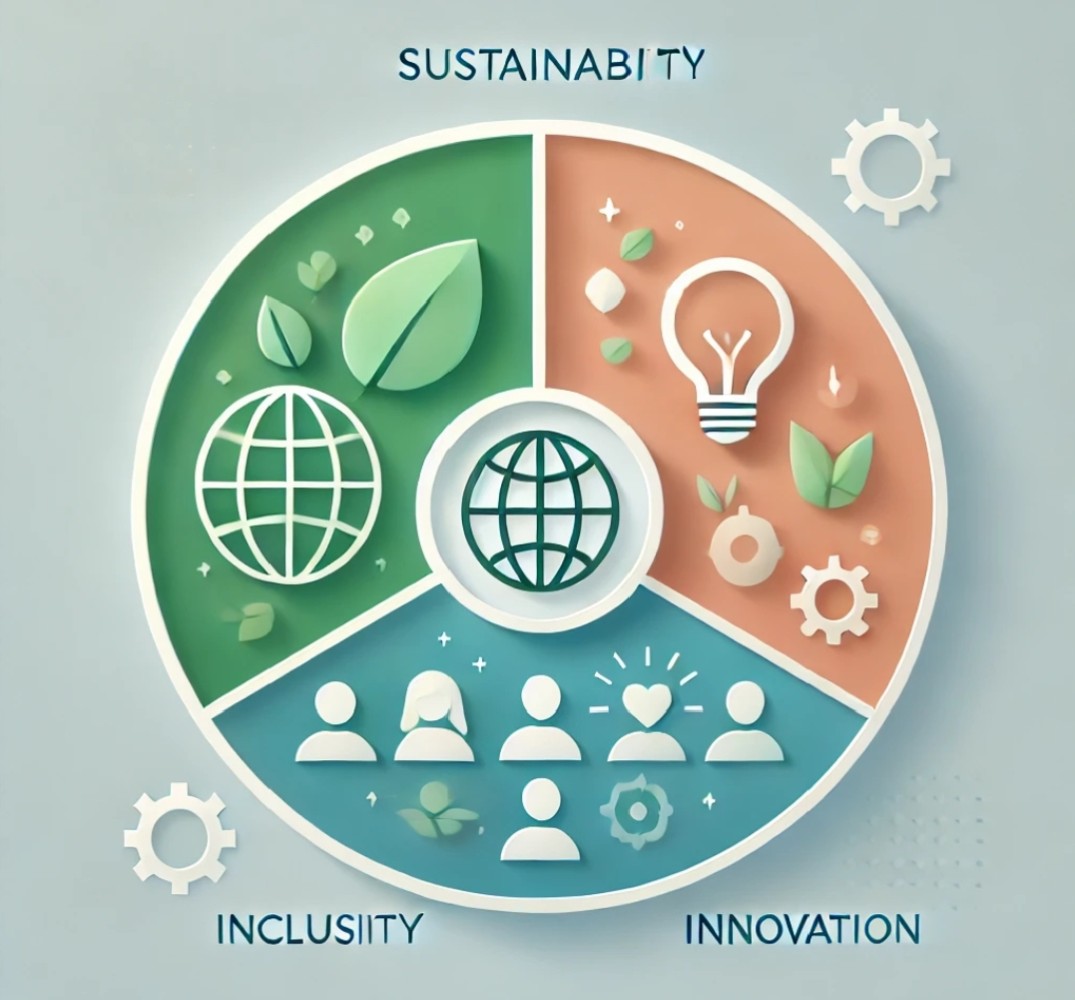
At the core of this approach are three essential pillars: sustainability, inclusivity, and innovation, which was the other core focus we came up with.
Insightful research no longer has to come at the planet’s expense. As we continue to expand our capabilities, we remain committed to offsetting our carbon footprint and driving impactful fast and accessible research in Africa.