Back
Back All articles
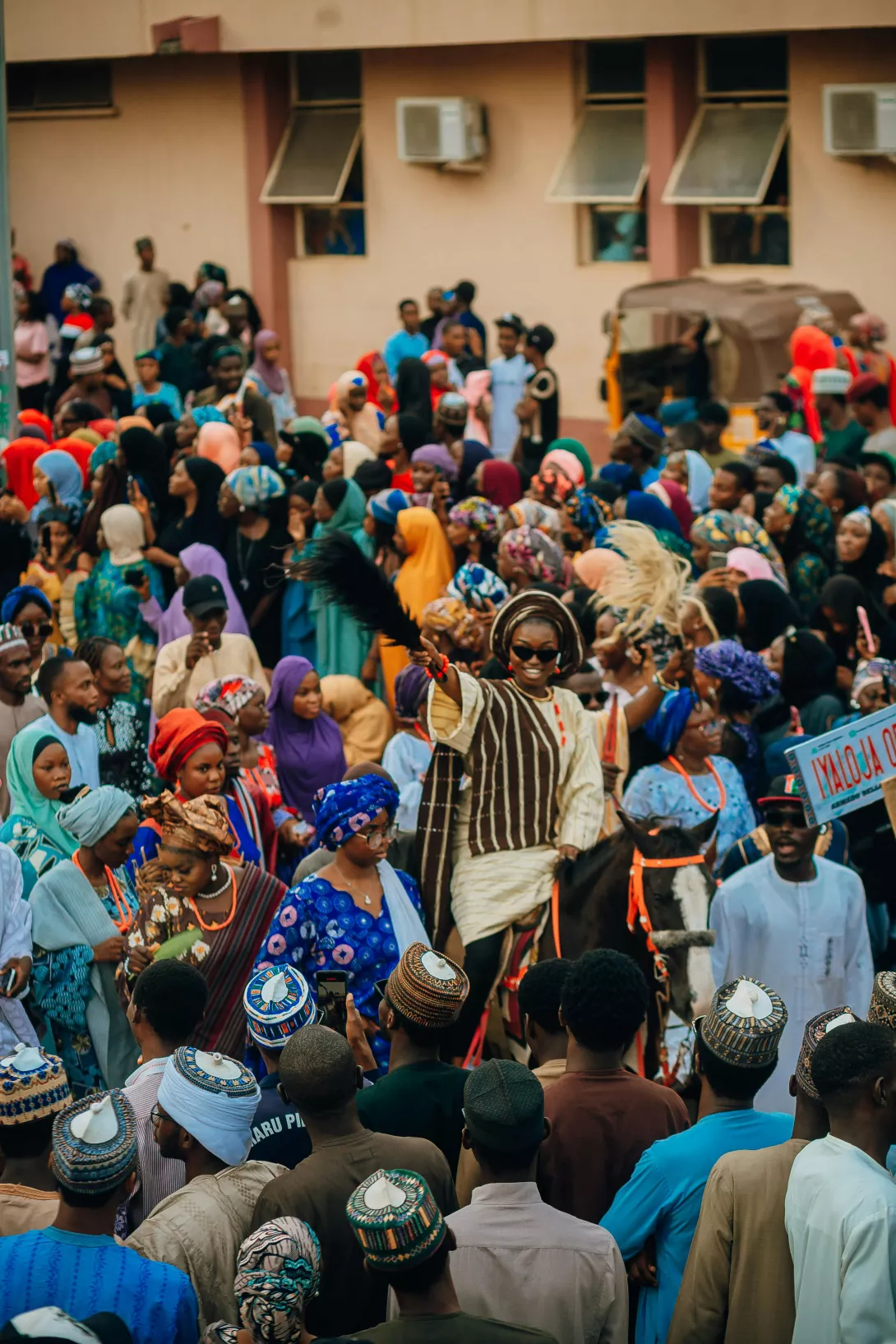
For years, the most ambitious brands expanding across the continent have operated on a shared assumption, that consumer behavior in Africa follows similar pattern. The logic seems sound on paper, characterized by young populations, rising smartphone adoption, rapid urbanization, emerging middle classes.
The macro indicators align neatly in spreadsheets and investor presentations. But beneath those similarities lies a reality that Africa is simply diverse in a cultural sense. It is structurally, economically, and operationally fragmented in ways that fundamentally reshape how commerce happens, how trust is built, and how purchasing decisions are made.
The Illusion of Transferability
Surface-level data creates the appearance of uniformity. Analysts often highlight shared characteristics across African markets with confidence:
- Median ages under 20
- High mobile penetration rates
- Growing consumer spending
- Increasing brand consciousness
These patterns are real. However, they describe conditions, not behavior. Behavior is where strategies either connect or collapse. And what many companies discover too late is that infrastructure shapes everything from the systems supporting daily life, to the financial rails enabling transactions, the retail structures determining access, the logistics networks connecting supply and demand, are not background variables.
They are the architecture within which consumer behavior happens. One of the clearest illustrations of this can be seen when comparing South Africa and Nigeria, two of the continent’s largest economies.
South Africa and Nigeria
On the surface, South Africa and Nigeria appear similar. Both are major economic hubs, both have large populations, and both represent key entry points for multinational brands expanding into Africa. Yet despite these similarities, insights from one market frequently fail in the other.
This is because the two countries operate within fundamentally different economic and consumer ecosystems. South Africa is largely characterized by high institutional depth and a mature, formal economy, while Nigeria represents a high-growth, fast-moving environment where informal systems still dominate large parts of daily commerce. These structural differences shape everything from how people pay for goods to how they discover brands and make purchasing decisions.
1. Financial Ecosystems and Inclusion
In South Africa, the financial system is highly developed and deeply embedded in everyday transactions. Roughly 80% of citizens hold bank accounts and a large proportion use cards or digital payments regularly. As a result, many consumer insights revolve around credit access, digital banking, and structured financial products.
Nigeria presents a different picture. While digital adoption is high and fintech innovation is accelerating, more than half of the population remains outside the formal banking system. Cash transactions, peer-to-peer transfers, and informal financial networks still play a major role in daily commerce. Strategies built around formal credit systems or card-based payments often fail to resonate in this environment.
2. Retail and Distribution Structures
Retail infrastructure also differs. South Africa’s consumer economy is anchored by large supermarket chains, shopping malls, and organized retail supply chains. While informal retail still plays an important role, particularly in township communities, much of the country’s packaged goods distribution flows through structured retail networks, with products designed for standardized shelves and centralized logistics.
In Nigeria, modern retail exists but the informal sector still dominates everyday commerce. Traditional markets, neighborhood kiosks, and independent vendors account for a large share of daily purchases. As a result, distribution is highly fragmented and purchasing patterns are more frequent and smaller in scale. A product strategy designed for large supermarkets in Johannesburg may struggle to gain traction in the dense, decentralized trading environments of Lagos.
3. Price Sensitivity and Purchasing Behavior
Purchasing power and budgeting behavior further separate the two markets. South African consumers generally operate within a more stable pricing environment and, on average, higher disposable incomes. This allows brands to compete not only on price but also on positioning, loyalty programs, and value-added services.
In Nigeria, currency volatility and income variability create a far more price-sensitive environment. Many consumers make smaller, more frequent purchases aligned with daily cash flow rather than weekly shopping cycles. This dynamic has shaped the widespread use of small pack sizes and sachet products, fundamentally influencing how goods must be packaged, priced, and distributed.
4. Information Flow and Consumer Influence
Marketing influence flows through different channels in each market. In South Africa, traditional media, large-scale brand campaigns, and national advertising continue to play a strong role in shaping consumer awareness. The country has one of the most developed advertising industries on the continent, with widespread reach through television, radio, and structured digital media.
In Nigeria, consumer influence often travels through more decentralized networks. Community relationships, social circles, and peer recommendations play a significant role in shaping purchasing decisions. Word-of-mouth, informal networks, and highly active digital communities frequently amplify or challenge corporate messaging, meaning trust is often built through social validation rather than top-down brand communication.
5. Cultural Communication and Messaging
Even when markets share a common language such as English, communication styles can vary significantly. South Africa’s marketing ecosystem often reflects more Westernized advertising models, characterized by centralized campaigns, structured media planning, and direct brand messaging.
Nigeria’s communication landscape is more fragmented and culturally layered, reflecting the country’s strong regional identities and linguistic diversity. Successful campaigns frequently require localized messaging that resonates with specific communities, cultural references, and informal communication networks.
The Real Lesson
The comparison between South Africa and Nigeria illustrates a broader truth about the continent. African markets may share macroeconomic indicators, but the systems that shape consumer behavior vary widely from country to country. Financial infrastructure, retail structures, cultural dynamics, and economic sentiment combine to create distinct market ecosystems. The biggest mistake companies can make when entering Africa is assuming that insights from one country represent the continent as a whole. Because across Africa, context is everything. Explore our market studies or chat with our experts to see how actionable insights can drive smarter, context-aware strategies for African markets.